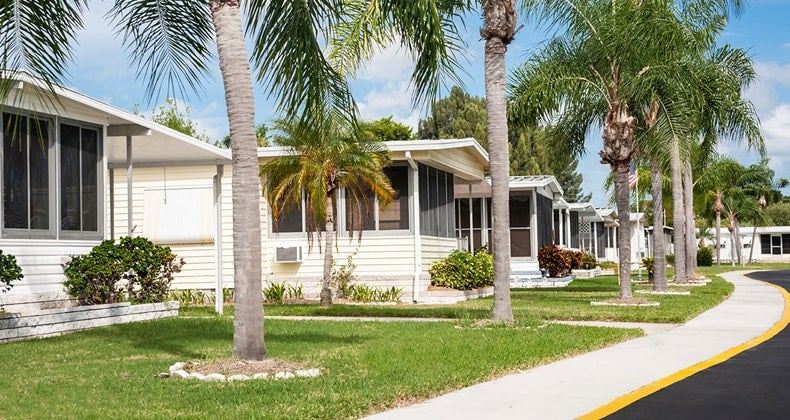
Are you a proud owner of a manufactured home? If so, you might be sitting on a treasure trove of equity that you can tap into with a cash-out refinance. This financial move can be a game changer, allowing you to turn your home equity into cash for various projects or needs. Whether you're looking to fund renovations, consolidate debt, or even cover unexpected expenses, a smart cash-out refinance can help you achieve your goals. Let’s break it down so you can understand how this process works and what you need to consider.
First, let’s talk about equity. Home equity is the difference between what your home is worth and what you owe on your mortgage. For example, if your manufactured home is worth $150,000 and you owe $100,000, your equity would be $50,000. This equity can be a powerful tool when it comes to financing your plans.
A cash-out refinance allows you to take out a new mortgage for more than you currently owe. In the above example, if you refinance for $120,000, you would get $20,000 in cash to use however you wish. This extra money can be very beneficial, but it's important to understand the ins and outs before jumping in.
Understanding the benefits of a cash-out refinance is crucial. One major advantage is that the interest rates on mortgages are typically lower than those of personal loans or credit cards. Therefore, using your home equity can save you money in the long run if you’re consolidating higher-interest debts. Additionally, the interest on a mortgage may be tax-deductible, which can put more savings in your pocket come tax season.
It’s also worth mentioning that a cash-out refinance can enable you to make significant improvements to your manufactured home. Whether it’s updating the kitchen, adding a new deck, or even just giving your home a fresh coat of paint, these enhancements can increase your home’s value. This means you’re not only improving your living space but also potentially increasing your equity further down the road.
However, before you rush into a cash-out refinance, there are some important factors to consider. First, think about how much equity you really want to tap into. Lenders usually allow homeowners to borrow up to 80% of their home’s value, but it’s wise to leave some equity untouched as a safety net. You don’t want to stretch your finances too thin, especially if unexpected expenses arise.
Next, be aware of the costs associated with refinancing. While it can be tempting to focus solely on the cash you’ll receive, it’s crucial to factor in closing costs, which can sometimes amount to thousands of dollars. Understanding these costs will help you determine whether the refinance is truly worth it in your specific situation.
Another point to keep in mind is your credit score. Lenders will want to know how responsible you are with credit, as this can significantly affect the terms of your new mortgage. Typically, a higher credit score can lead to better interest rates. If you know your score isn’t where you’d like it to be, consider taking some time to improve it before pursuing a cash-out refinance.
Moving forward with the process involves gathering necessary documents. You will need to provide proof of income, tax returns, and details about your current mortgage. Getting your financial documents in order can streamline the process and help your loan officer guide you more efficiently.
Speaking of a loan officer, having an experienced mortgage professional by your side is invaluable. They can explain the nuances of cash-out refinancing specific to manufactured homes and help you navigate the ins and outs of the process. They can also assist in evaluating your specific financial situation and goals, ensuring you make the best decision for you.
As you consider the idea of a cash-out refinance, think about your long-term goals. Do you see yourself staying in your manufactured home for many years to come, or are you planning to move soon? If you’re looking to move within a few years, you might want to think carefully about whether a cash-out refinance is the best path for you, considering the costs involved.
Moreover, if your goal is to make home improvements, it’s essential to create a budget. Before making the decision to cash out, sit down and outline what you want to do with the cash. Knowing exactly how you’ll use the funds can help you stay focused and avoid unnecessary spending.
Also, keep in mind the importance of timing. The housing market fluctuates, and your home’s value may change over time. If home values are on the rise in your area, it may be a great time to consider a cash-out refinance. Conversely, if the market is declining, it might be better to wait until conditions improve.
In addition, it’s a good idea to compare your current mortgage terms with potential new terms. If you’re already locked into a low interest rate, refinancing may not make sense unless you have significant equity to cash out. Your loan officer can help you with this comparison to make your decision easier.
Lastly, remember that your financial health is a priority. A cash-out refinance is just one option among many. While it can be a powerful tool, it’s essential to consider all your options and how each one fits into your broader financial picture. Your loan officer is there to help you explore what’s available, ensuring you choose the best path for your individual circumstances.
If you’re ready to explore how a cash-out refinance can work for your manufactured home, don’t hesitate to reach out. Our team of knowledgeable and friendly mortgage loan officers are here to answer your questions and help guide you through the process. Let’s discuss your specific needs and see how we can assist you in transforming your equity into the cash you need!
